“Marriage” is a significant and an important milestone that provides the legal basis for the concept of family, and an eternally cherished bond between those who share it. This is why it's considered as a token bearing the Arya Sinhala culture of Sri Lanka.
Sinhala-Buddhist weddings have a bunch of rituals and customs that are unique to them. Those things can be seen even in the modest weddings of the 21st century. But there’re a few items that have been missing from them, and the present-day society doesn’t even know that they existed.
Let’s back up a little bit. We're talking about the pre-colonial period of Sri Lanka.
1. Gokkola Poruwa

Image Credits : Elegant Studio
Poruwa ceremony is a momentous and sacred event in a Sinhala-Buddhist wedding. This involves performing a set of specific rituals for the bride and groom, to shower them with blessings as they’re about to start a new life together as husband and wife.
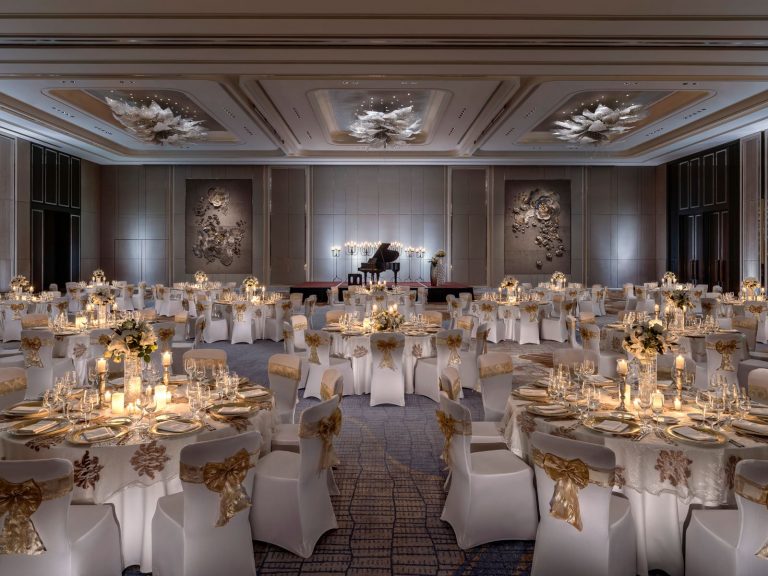
Nowadays, most of the weddings take place in hotels or banquet halls. Usually, these hotels/banquet halls have a readymade poruwa, and they redecorate it as per our request. Decorating a poruwa should follow several certain rules and requirements. As there’re plenty of wedding planners who are willing to provide these services, it isn’t a hectic task.
Back in the day, there weren’t any readymade poruwa, or wedding planners to build them. Each poruwa was freshly built by the villagers, according to the auspicious time and date given by the person who prepares the Nakath Seettuwa. Colorful coconut leaves (Gokkola) were used to decorate the poruwa.
2. The Four Piece Wedding Feast

Image Credits : Elegant Studio
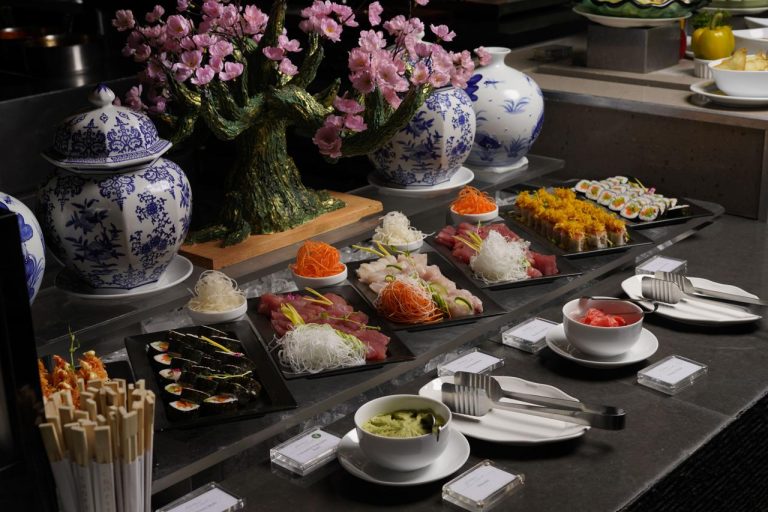
In modern weddings, the wedding feast usually takes the form of a buffet. You grab a plate, stand on the line of the buffet, serve yourself, go back to your table and eat. Back then, there was no such thing as eating at a table. In some areas, the meal was enjoyed while sitting on a mat.
According to the contemporary experts, there were four distinctive events in the traditional wedding feast.
Laadara Batha – In this part, the bride’s side serve food to the relations and neighbours who helped to make the wedding a success.
Aadara Batha – Aadara Batha was enjoyed by the newly married couple. In some districts, the bride and the groom shared the same plate.
Naedara Batha – It was customary for the groom to take the bride to his house after the wedding ceremony. It took the form of a parade, called Mangala Perahera.
All the important relatives and the elders of the village participated in this. Naedara Batha was served to the rest of the people who were left at bride’s home, once the others took off for the Mangala Perahara.
Yodara Batha – The meal that was served by the groom’s side, to welcome the bride and her family after they reached the groom’s house from the Mangala Perahera.
Altogether, these four events make the Magul Batha.

Image Credits : Dhammika Heenpella
Curd and honey (Kiri Pani) was the most popular dessert back then and at the end of the wedding feast, a tray of betel leaves (Bulath Thattuwa) was shared among the elders. The Saddharma Rathnavaliya, the ancient book mentions this as “Bathin Saada Pawathwaa Bulathin Nimawannaa se” (The feast starts with the rice, and ends with sharing betel).
3. Mangala Sabhaawa
Every wedding had a Mangala Sabhaawa, a gathering of all the guests and the family members to greet the newlyweds, advise them, thank everyone for helping the wedding and apologize if any mistakes have been made.
It was held as a Kavi Maduwa, where the elders sang Seth Kavi (A form of poetry) to pass their blessings to the newly married couple.
This custom still can be seen at some traditional weddings, but instead of Seth Kavi the elders of the family speak on behalf of the bride and groom.
4. Mangala Perahera

Image Credits : Elegant Studio
“Leaving for honeymoon” was not a term that could be heard at the ancient Buddhist weddings. It was called Mangala Perahera, a parade where the groom brings the bride to his own home.
The newlyweds took a decorated bullock cart while the other members of the family followed them from other bullock carts. The last cart of the perahera carried the dowry of the bride. This parade is considered as an event that showcases the pride of both families.
The common belief was that the bride should leave her home as the same bride who was blessed at the poruwa ceremony. Therefore, the bride and the groom didn't change their attire when participating in this perahera.
In the modern society, the dowry does not seem to be as important as it used to be. That being said, “a woman shouldn’t be given away empty-handed” hasn’t completely left the belief of the Buddhist community.
5. The Homecoming

Image Credits : magebima.blogspot.com
Nowadays, there are two different dates for the wedding and the homecoming. But back then, both of them happened on the same day. It started once the Mangala Perahera reached the groom’s house. The previously mentioned Yodara Batha was served during this event.
The beautifully decorated gokkola thorana (pandal) could be seen at the doorstep of the groom’s house to welcome the bride and her family.
There wasn’t any sort of legal effect on the concept of marriage, until the Dutch colonial period of Sri Lanka. All of these rituals and customs followed auspicious times, which is another thing that we can see in modern Buddhist weddings.
As an embodiment of a decent society and a celebration of love, marriage is one of the most important turning points in the life of any person. The emergence of yet another good generation is reflected by this event.
It’s true that following such rituals and customs exactly as it is isn’t an easy task in the modern day world. But it’s important to remember where our roots are because that’s a part of our identity as a noble nation.