China is often portrayed as either ultra-expensive or extremely cheap, but the real picture is far more interesting. In 2025, travelers will find that China offers a unique balance: high-quality, modern infrastructure paired with unexpectedly low everyday costs, especially for food, local transport, cultural experiences, and accommodation.
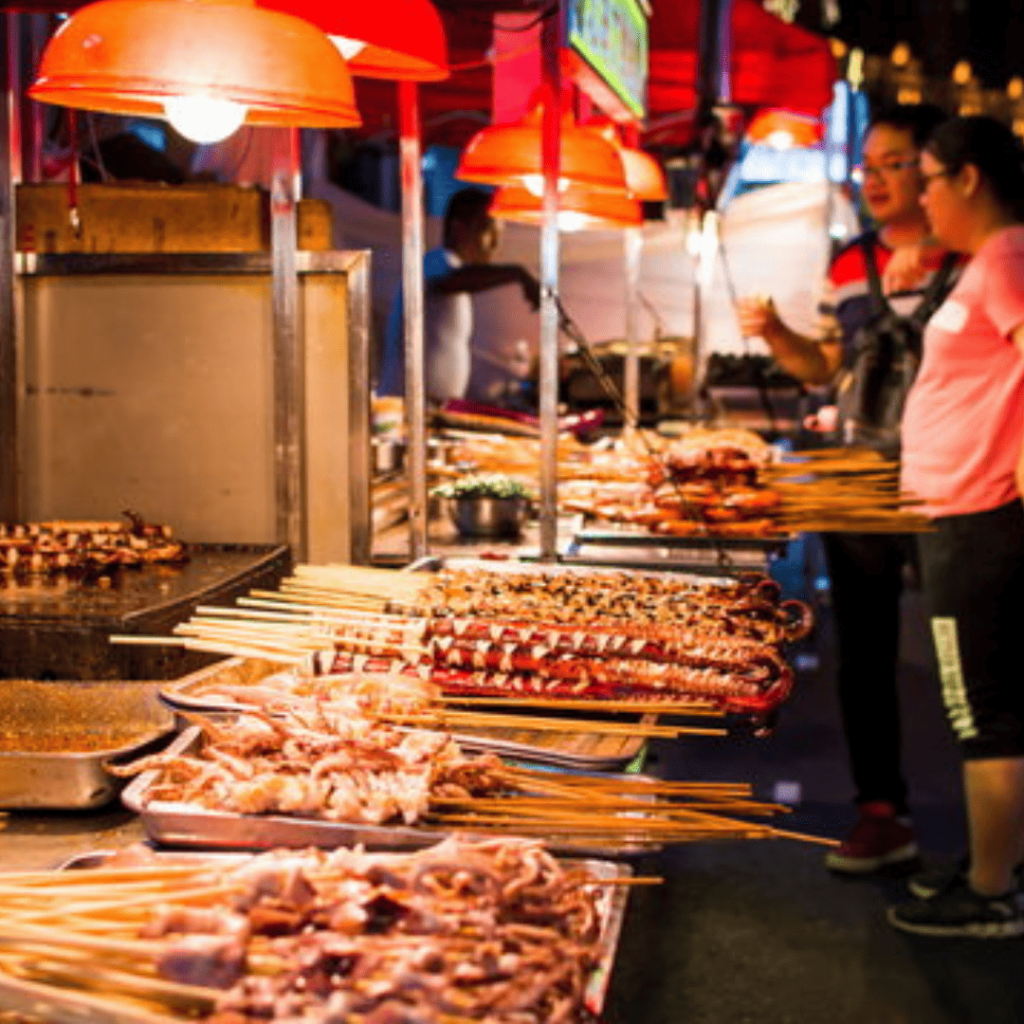
1. Street Food Is Affordable Than Many Bus Tickets
China’s food culture is widely recognized but what many people don’t know is just how affordable it still is.
Night markets and street booths offer flavor – packed delicacies for pocket change.
What to try:
Jianbing (savory crepe)
Roujiamo (Chinese-style burger)
Baozi (steamed buns)
Visit local marketplaces like Wangfujing (Beijing) or Wulin Night Market (Hangzhou).
Prices:
Street snacks: ¥5 – ¥20
Local restaurant meals: ¥20 – ¥60
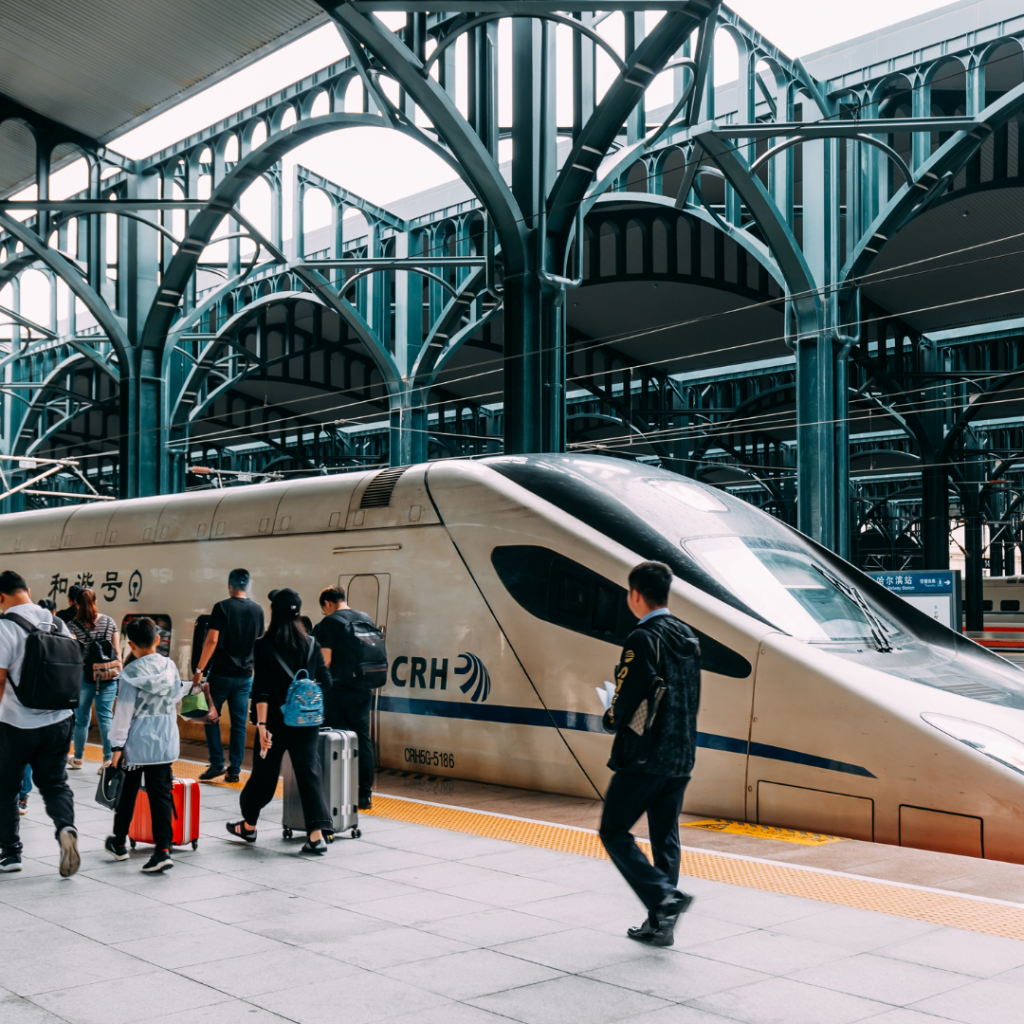
2. High Speed Rail Makes the Country Feel Smaller
China’s high speed rail network is one of the most advanced in the world, making city-hopping fast and comfortable.
What to do:
Take the Beijing to Shanghai G-train to witness the countryside while travelling at 300+ km per hour.
Prices:
Short routes: ¥50 – ¥200
Shanghai – Beijing: ¥350 – ¥500 (2nd class)
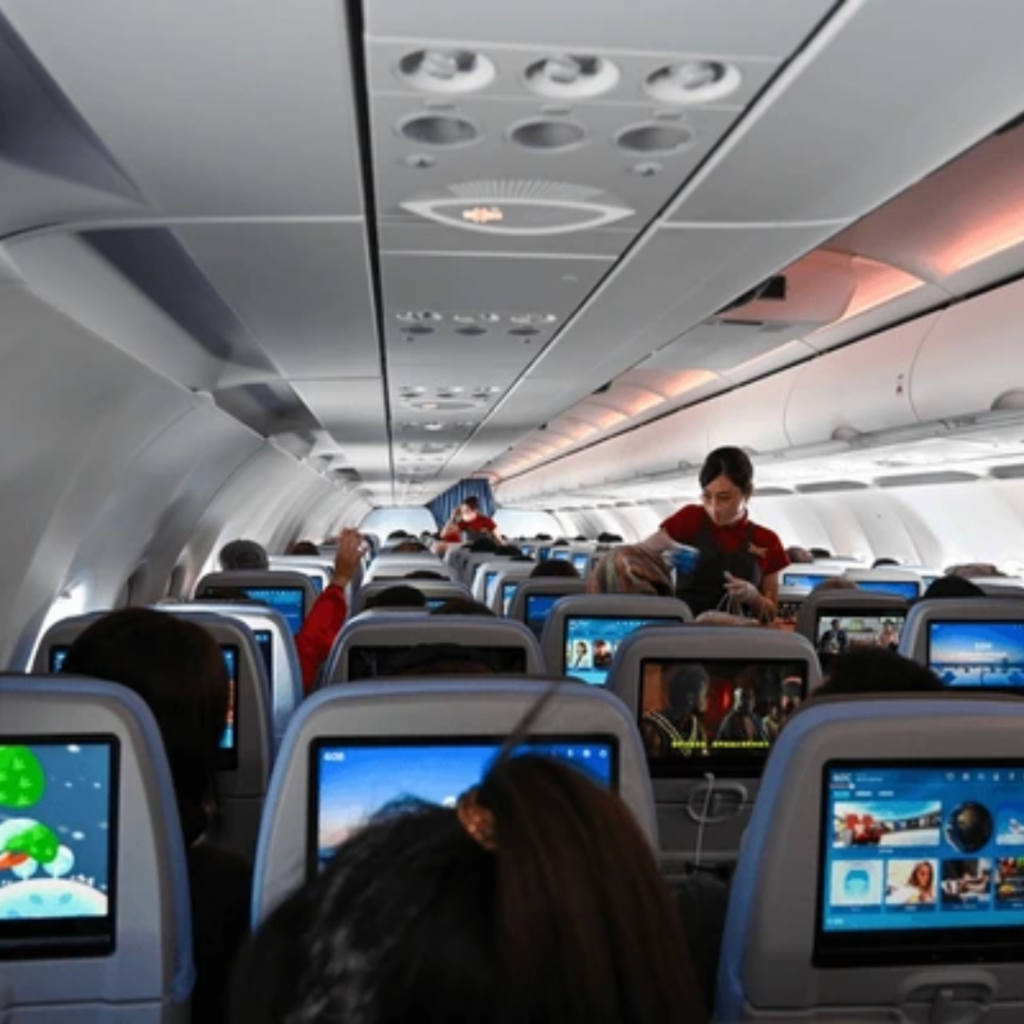
3. Domestic Flights Are Shockingly Affordable
Domestic airfare in China regularly features flash sales and low-cost routes.
What to do:
Use Trip.com or Skyscanner to compare routes, especially if you’re on a tight schedule.
Rates:
Domestic flights: ¥200 – ¥900 (advance booking)
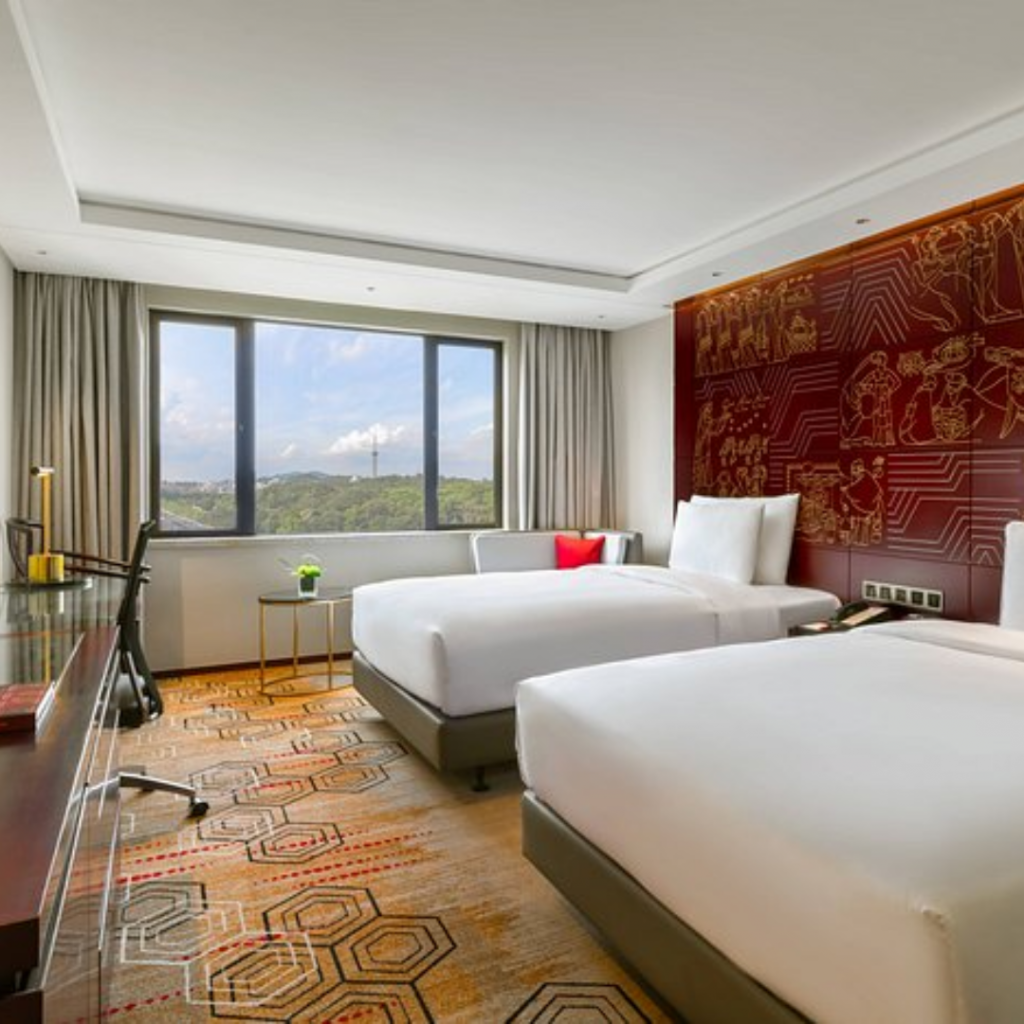
4. Hostels and Guesthouses Are Great Value
Accommodation can be incredibly inexpensive without sacrificing cleanliness or comfort.
Prices:
Dorm beds: ¥30 – ¥150
Budget private rooms: ¥120 – ¥350
Cities like Chengdu, Hangzhou, and Kunming offer a huge variety of backpacker – friendly stays.
5. Major Attractions Have Varied Pricing
Travelers can save money by taking advantage of seasonal pricing, timed entrance, and student discounts at several attractions.
What to do:
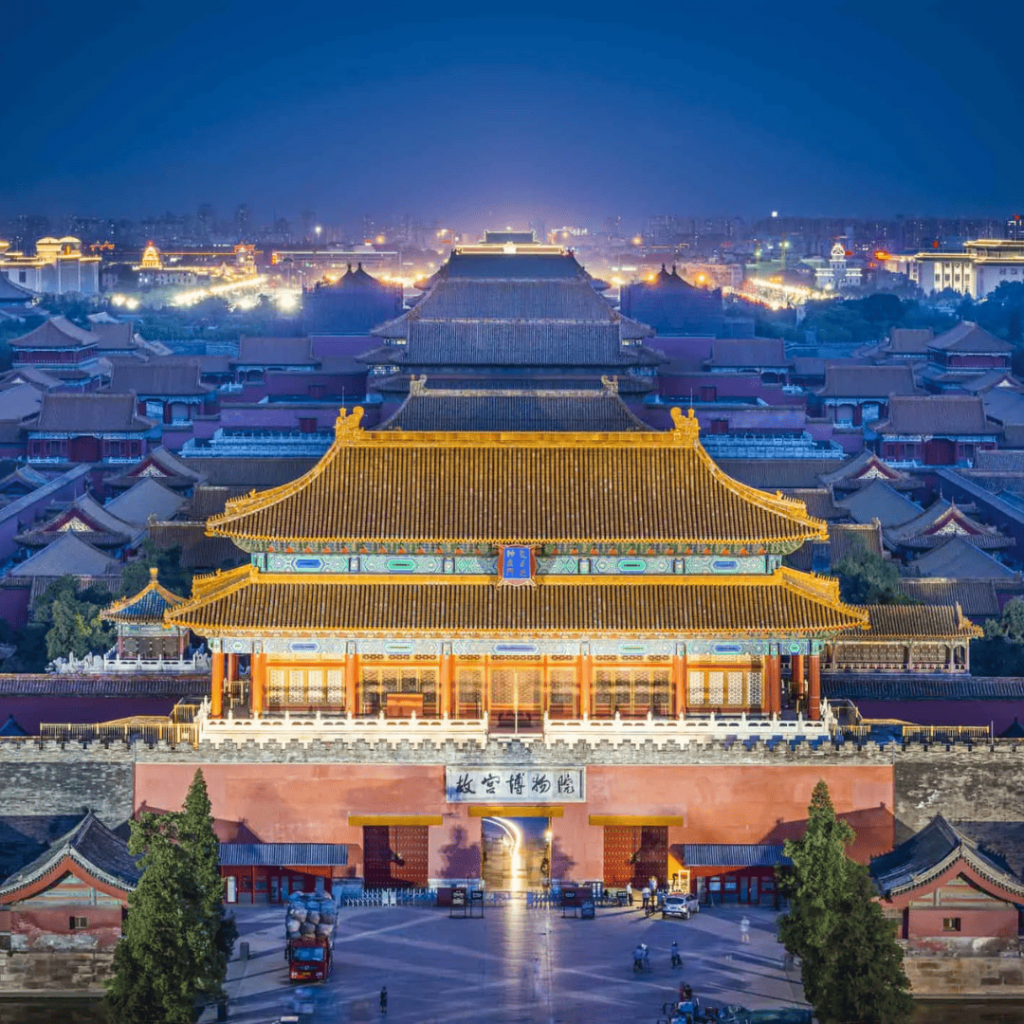
To avoid lengthy queues and get better time slots, reserve attractions like the Forbidden City in advance.
Prices:
Forbidden City: ¥60 – ¥80
Great Wall sections: ¥40 – ¥180 (with cable car options)
6. QR Code Payments Dominate Daily Life
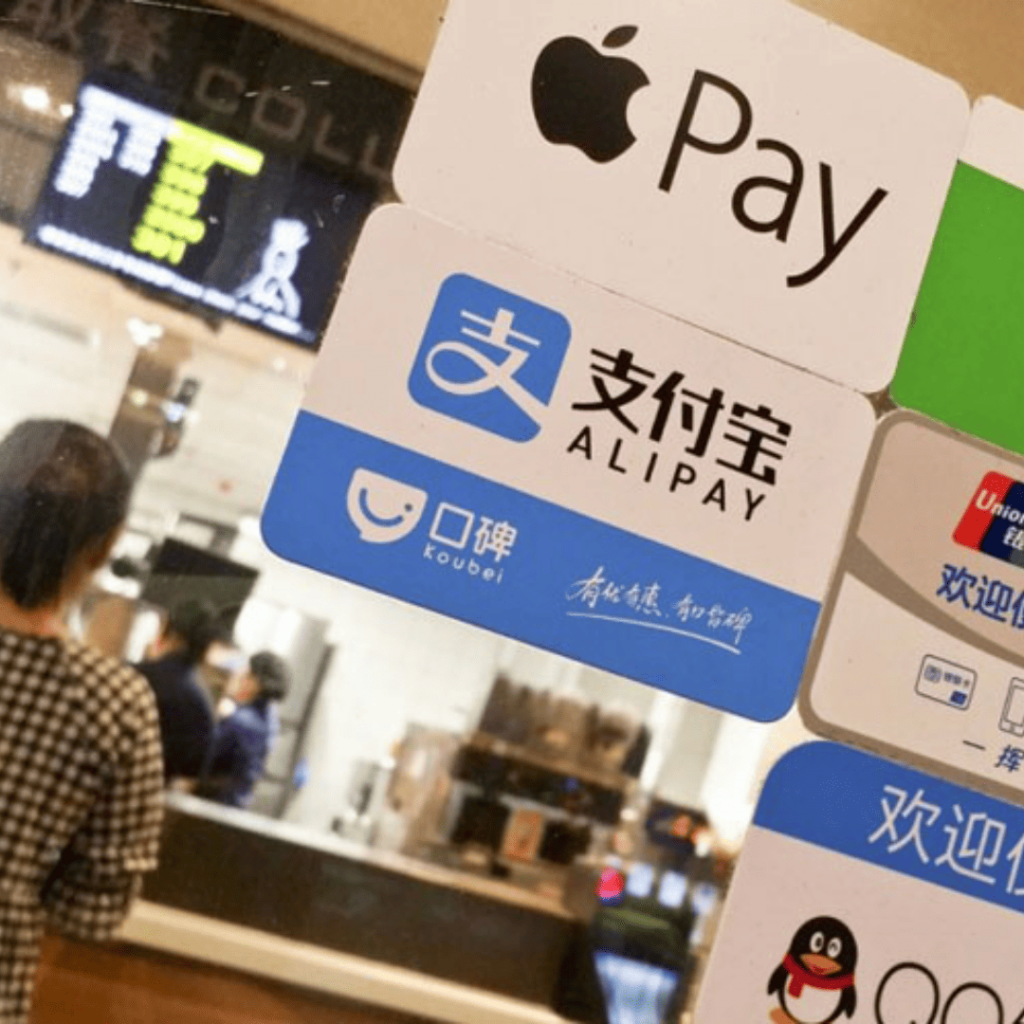
China is nearly cashless. Most locals use WeChat Pay or Alipay for everything – from metro tickets to food.
Travel tip:
Foreign tourists can link certain international cards to these apps. Still, having a little cash is helpful for tiny or remote vendors.

7. Cheap Data Makes Travel Easy
Staying connected in China is simple and inexpensive.
Prices:
Prepaid SIM / eSIM packages (5 – 10 GB): ¥30 – ¥100
Reliable data helps with translation apps, QR payments, bookings, and maps.

8. Cultural Experiences Are Often Free or Low – Cost
Some of China’s richest cultural experiences are hidden in its neighborhoods.
What to do:
Explore the hutongs of Beijing
Try a tea-tasting session in Chengdu
Watch a local opera (Kunqu or Sichuan opera)
Many community venues operate on low entry fees or donation-based entry.
9. Prices Are Competitive Due to Economic Reasons
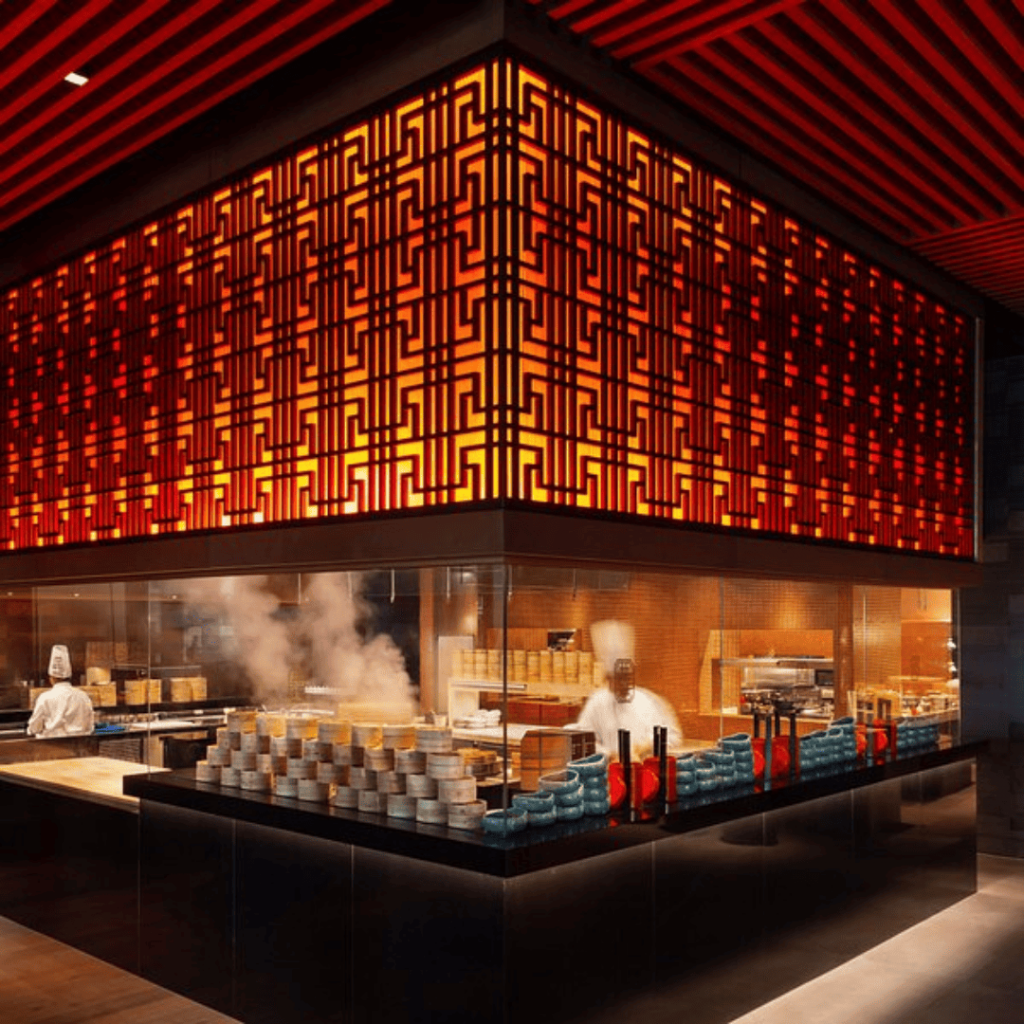
In 2024 – 2025, China’s restaurants and small businesses experienced strong competition and price compression. This means more affordable menus, especially at mid-range spots.
Travel tip:
Use review apps like Dianping to check quality since competitive pricing can sometimes reduce consistency.
Final Travel Tips
- Book trains early, especially for major holidays.
- Always keep ¥100 – ¥300 cash as backup.
- Download offline maps and translations before arrival.
- Be prepared for QR code payments everywhere.
- Use reviews to avoid tourist traps and low quality dining spots.
*Please note that the prices mentioned above can tend to fluctuate, so recheck before planning.