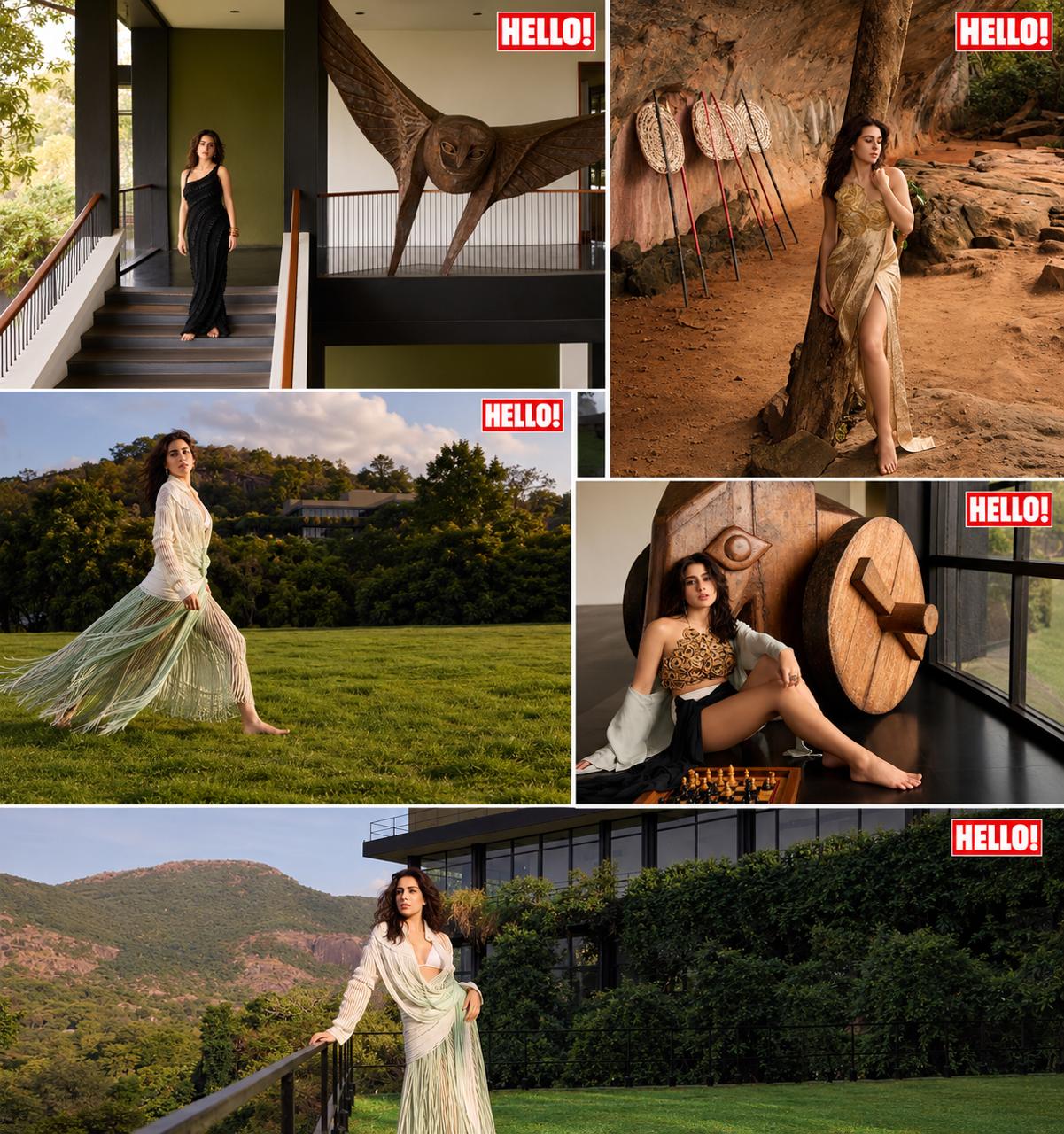
We took this tour with a group of international travel bloggers (you can see the wonderful Kerwin McKenzie in the last photo below). This trip was organized by Cinnamon Hotels and cvisit.com. Our thanks to them.
Sigiriya is a must visit for every Sri Lankan (Rs. 50) and most tourists (Rs. 3,000). The natural rock column has been inhabited by humans (as a monastery, mainly) since the 3rd Century BC, but its most famous inhabitant was King Kashyapa in 477 AD. We’ll get to all that later. Sigiriya is 60-90 minute climb but you can spend a lot longer there. The terraced top has beautiful views and it’s a great pleasure to imagine all the ancients who hung out there.
The History

The Sigiriya rock itself is a volcanic plug. This essentially means that it’s the core of an extinct volcano. Magma hardened inside a volcano, essentially stopping it up. Then the mountain around it eroded over millions of years, leaving this. Boom.
Buddhist monks started inhabiting rock shelters and caves here around the 3rd century BC. Sigiriya really enters the Sri Lankan consciousness, however, when King Kashyapa made it his fortress.
The Kashyapa story is Shakespearian in scope. tl;dr – Kashyapa ordered the killing of his father (by burying him alive) in the course of a coup. Kashyapa essentially holed up in Sigiriya, both as a fortress and a palace, until his brother came back from India and beat him in battle. In the end Kashyapa killed himself.

In his brief time in Sigiriya (477-495) he developed Sigiriya as the site we know today, with the lion fortress at the top (of which only the paws remain. The other developments he’s remembered for are the painted frescoes (either thought of as palace maidens or heavenly spirits), the symmetrical and beautiful gardens, and sophisticated water management.

In modern times, Sigiriya is a big part of the Sri Lankan psyche. It’s probably our most prominent monument, in our minds and in the minds of many tourists.
The Site

Sigiriya is near Dambulla but a lot of people stay in Habarana and come. If you want to climb the rock directly it takes 60-90 minutes but for a good tour you can budget 3-4 hours. There are tour guides there and some of them are actually quite knowledgable (in multiple languages). There are also people who will basically hold your hand and guide you up the stairs, which is perhaps less necessary.
As a note, beware of wasps. There are periodic wasp attacks here. Basically it’s their neighborhood (some say it’s an ancient curse) and they’re all right as long as you keep the volume down. Most tourists don’t, however. In the case of a wasp attack basically get down and keep quite, the more you freak out and flail around the worst it gets.

People don’t spend much time in the gardens, but they’re a wonder in and of themselves. They’re wonderfully symmetrical and, now, beautifully manicured and kept. For most people, however, this is just the entry point to the rock.
The Frescoes

As you start climbing the uneven and sometimes slippery stairs, the first site you’ll get to is the frescoes. This is actually a bit of a detour from the main climb, you’ll go up a spiral staircase and then back down.

Once up there they really are quite beautiful, and generally well preserved. By most estimates far more of the rock was covered with paintings than we see now, all that’s really left is basically in a cave. These few paintings, however, have become iconic symbols of Sri Lanka.


They’re wonderful works of art. We also admire our ancestors pre-colonial dress code.
Another site around here is the Mirror Wall which was supposedly so polished you could see your reflection in it. Now it’s basically just a rather flat wall. There is also graffiti written on this wall by ancient tourists (do not write on the walls now). Some verses include:
The five hundred damsels arrest the progress of him who is going to heaven.
With their gentle smile and the fluttering of their eye-lids, the damsels stood here,
enslaved me who had come to the summit of the cliff…
A deer-eyed maiden of the mountain side arouses anger in my mind.
In her hand she holds a string of pearls,
and in her eyes she assumes rivalry with me
The Lion’s Paws

This is the most well-preserved architectural feature of Sigiriya, and it is pretty cool. This is also a good place to rest. The stairs to the top of the rock enter between two lion’s paws. The story is that these paws were part of a bigger lion structure, which must have been quite impressive. For modern tourists, however, this is just the start of what may be the hardest part of the climb.

We wouldn’t say the climb is super hard overall, but it’s not easy. It is also a bit scary going down.

Also note that Sigiriya is generally crawling with tourists. It’s very rare to get a photo without badly dressed people in it and, honestly, we’d recommend no taking photos unless you’re doing a review or something. At the least, take some time and look around through more than a digital screen. As you climb there are beautiful views all around you, stretching as far as the Golden Buddha in Dambulla.
The Summit

The stairs never seem to end, but you eventually get to the top. All that’s left is the foundations where walls would have been, but you can imagine the wonderful buildings and life that used to be up here.

The absolute summit of Sigiriya is these two steps. Climb on top of them and you’re king of the world. At least until the next tourist comes along.

The 360 degree views and steps and water features make the summit a beautiful, generally breezy and peaceful place. I actually spent so long up here I got separated from my tour group and almost missed the bus. I could have spent longer.

The colors and construction and architecture (what’s left of it) are deeply compelling and peaceful, to me at least. It’s not really a religious place, but in many ways it feels like one.


Also, you can’t beat the view.
Conclusion

We love Sigiriya. You can’t not love Sigiriya. It’s not that bad a climb, and you’re amply rewarded with views, history and beauty and wonder. It’s a bit expensive for tourists, but we think it’s worth a visit for everyone.